


More Lexus Models:
Edition:
![Lexus LS 400 4.0 V8 - [1989] image](/editionimages/1151.jpg "Lexus LS 400 4.0 V8 - [1989] image")
Lexus LS 400 4.0 V8 - [1989]

This edition of the Lexus LS 400 4.0 V8 is the 4 speed / Auto version and was first brought out in 1989. This was at around the same time as the introduction of the 1989 Ferrari F40 LM Competizione 2.9 V8 Twin Turbo and the 1989 Dodge Viper 8.0L V10.This particular Lexus LS has a 3969cc Naturally Aspirated Petrol powerplant with 8 cylinders in a V formation.
![Dodge Challenger SRT Demon 170 - [2023] image](/editionimages/2343.jpg "Dodge Challenger SRT Demon 170 - [2023] image")
Alternative Petrol V8's includes the 2023 Dodge Challenger SRT Demon 170
The LS shares its Petrol V8 engine configuration with the likes of the 2023 Dodge Challenger SRT Demon 170 and the 2023 Ferrari SF 90 XX Spider 4.0 V8 Turbo. If you're looking for other fast cars which share the LS's Rear Wheel Drive, Saloon combination then how about the 1982 Fiat X1/9 1.5 8V or the 1965 Aston-Martin DB6 1965.
Weighing in at 1700 kgs (3747 lbs) this makes the Lexus LS 400 4.0 V8 in the same weight category as the 2023 Aston-Martin Valour 5.2 V12 Twin Turbo or the give or take 50kg.
![Mini Cooper John Cooper Works Cabrio 2.0 Turbo - [2022] image](/editionimages/2340.jpg "Mini Cooper John Cooper Works Cabrio 2.0 Turbo - [2022] image")
The Lexus LS shares the same bhp with the 2022 Mini Cooper John Cooper Works Cabrio 2.0 Turbo (228 bhp)
In terms of power the 3969cc 32V V8 engine produces 250 bhp (186 kW) @ 6500 rpm similar to the 2022 Mini Cooper John Cooper Works Cabrio 2.0 Turbo (228 bhp) or the 2021 Ford Mustang Mach-E AWD (266 bhp).
The Naturally Aspirated V8 throws out 260 lb-ft (352.5 Nm) @ 4400 rpm placing it with cars of similar torque performance figures such as the 2023 Toyota Corolla GR Circuit Edition 1.6 Turbo (273 lb-ft) or the 2022 Toyota Corolla GR 1.6 Turbo (273 lb-ft).
If one combines the weight with power or torque performance for the Lexus LS you can get a better idea of it's real world performance.
![Tesla Model 3 Standard Range Plus - [2019] image](/editionimages/2003.jpg "Tesla Model 3 Standard Range Plus - [2019] image")
The 2019 Tesla Model 3 Standard Range Plus (172.0 bhp per ton) has similar Bhp Per Ton stats as the Lexus LS.
The Lexus LS has a Power to weight ratio of 147.0 bhp per ton and 152.9 lb-ft per ton. Bhp Per Ton figures of the 1989 LS competing with the 2019 Tesla Model 3 Standard Range Plus (172.0 bhp per ton) or the 2009 Audi TT 3.2 V6 Quattro S-Line (172.0 bhp per ton).
If you agree with the late great Carroll Shelby then arguably an even better indicator of potential performance, Torque. Use weight as well and you end up with - Torque per ton, with the Lexus LS generating around 152.9 lb-ft per ton. If you're curious as to what other cars have as much torque to weight then look no further than the 1998 BMW Z3 M Coupe 3.2 2d (177.9 lb-ft per ton) or the 2001 BMW Z3 Roadster (177.9 lb-ft per ton).
With a 0-60mph time of 7.90 secs or a 0-100km/h (0-62mph) of 8.2 secs, this made the Lexus LS 400 4.0 V8 as fast as the 2016 Audi A3 2.0 TDI Quattro (7.90 secs) the 2013 Skoda Octavia RS TDI (7.90 secs) the 2013 Subaru BRZ 2L 210ps Sportshift (7.90 secs) the or the 2011 Infiniti FX 30d 3.0 V6 Diesel (7.90 secs). This Lexus LS 400 4.0 V8 is also faster than the 2011 Citroen DS5 1.6 THP 200 (8.00 secs) the 2009 Porsche Cayenne 3.0 V6 Turbo Diesel (8.00 secs) the 2008 Alfa-Romeo Mito 1.4 155 T-Jet Veloce (8.00 secs) the and the 2007 Fiat Bravo 1.9 Sport Multijet (8.00 secs).
![Volkswagen-VW Arteon 2.0 TSI 4Motion - [2017] image](/editionimages/1835.jpg "Volkswagen-VW Arteon 2.0 TSI 4Motion - [2017] image")
Quarter Mile time is a close race between the LS and the 2017 Volkswagen-VW Arteon 2.0 TSI 4Motion
When talking about the performance of the Lexus LS on the drag strip it can reach a quarter mile in an estimated 15.63 secs @ 87.5 mph. Similar performance down the quarter mile can be found with the the 2017 Volkswagen-VW Arteon 2.0 TSI 4Motion (15.56 secs), the 1972 Lamborghini Urraco 2.5L V8 P250 (15.57 secs), and the 1960 Dodge Dart Phoenix 5.9 V8 360 Hardtop (15.57 secs).
Modern performance cars are often artificially restricted to 155mph. The 1989 version of the Lexus LS 400 4.0 V8 has a maximum speed of 155mph.
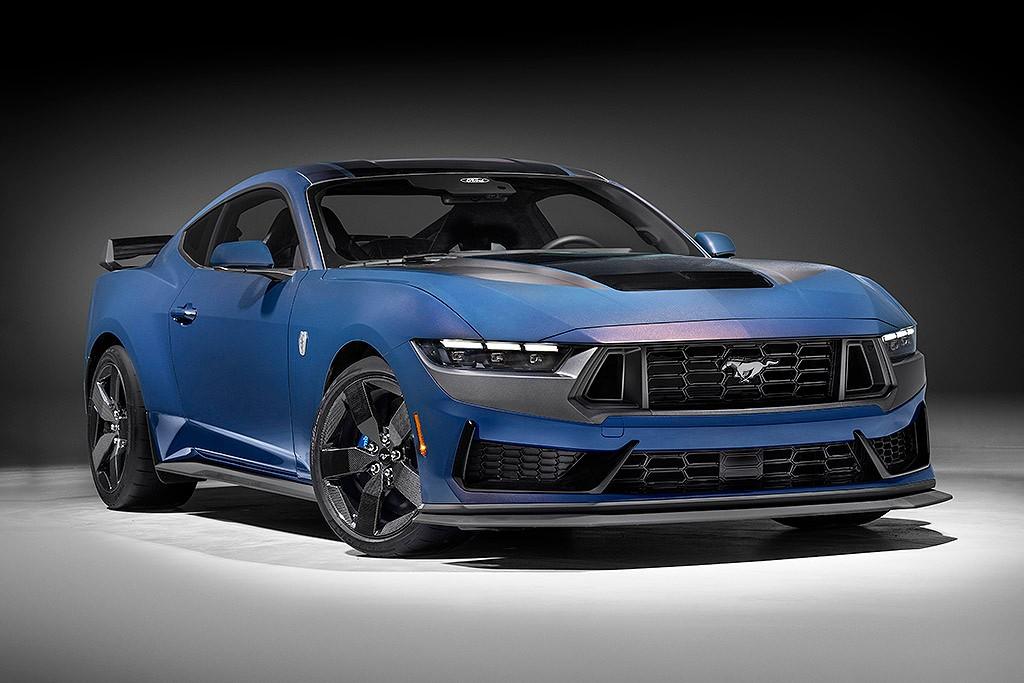
Top Speed of the 1989 LS equals the 2024 Ford Mustang Dark Horse 5.0 V8 (166 mph)
If maxing out your car on the AutoBahn is your thing and you're wondering what's faster than the 1989 Lexus LS 400 4.0 V8 then how about the 2024 Ford Mustang Dark Horse 5.0 V8 (166 mph), the 2022 Ford Mustang GT 5.0 V8 (166 mph), or the 2021 Ford Mustang Mach 1 5.0 V8 (166 mph).
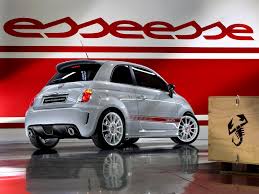
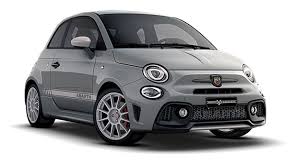
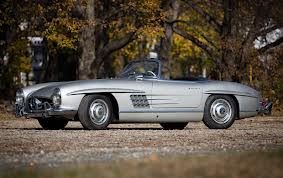
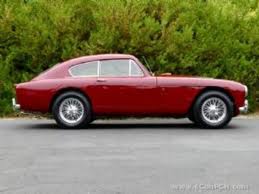
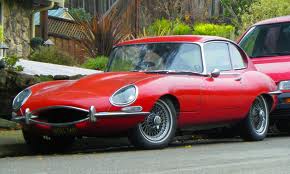
Jaguar E Type 2+2 4.2L
Engine: Naturally Aspirated Petrol | 4235cc 12v St6
Top Speed: 150 mph
0-60mph: 8.90 seconds
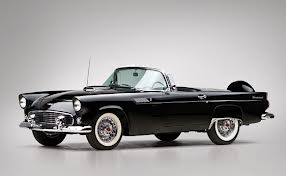
Ford Thunderbird 312
Engine: Naturally Aspirated Petrol | 5116cc 16v V8
Top Speed: 181.8 kph
0-100kph: 10.5 seconds